A microbiome consist of the genetic material of the associating living and non-living organisms and viruses that live on/inside the human body. Wikipedia notes that each individual exist along side “trillions of bacteria, fungi, and other microbes.” The microorganisms that inhabit an individual are unique and are important residents of the human body, occupying several of our body systems including the skin and gut. The microbiome can aid in protection against infection in many ways, such as, 1. covering sites that might otherwise be used for attachment by harmful organisms, 2. consuming available nutrients, 3. producing compounds that are toxic to other bacteria, 4. stimulating the adaptive immune system, etc. In fact, the hygiene hypothesis expands this further by recommending that the more exposure to microbes the better the implications to health (immune system, heart, weight). Therefore, the intimate relationship between the microorganism and humans is symbiotic.
Humans and microorganism mostly have a mutualistic and even protective relationship, but sometimes the host-microbiome interaction can become pathogenic. Consequently, Lois Pasteur is noted for showing an association between microorganism and infectious disease. Similarly, Koch developed a postulate to help us identify particular microorganism suspected in causing a disease. Therefore, it’s not surprising that alterations to gastrointestinal microbiome have been linked to various human diseases. These diseases range from metabolic and inflammatory diseases, obesity, hypertension, cardiovascular disease, diabetes, gastric cancer, and potentially Alzheimer. In this context, common microbial infectious agents, especially Porphyromonas gingivalis, may be associated with the Alzheimer Disease brain via apparent shared common disease pathways. “Inflammatory mediators can erode the proteins that preserve the full integrity of the blood-brain barrier (BBB) within the brain, as shown previously. Inflammatory mediators can erode the proteins that preserve the full integrity of the blood-brain barrier (BBB) within the brain, as shown previously.”
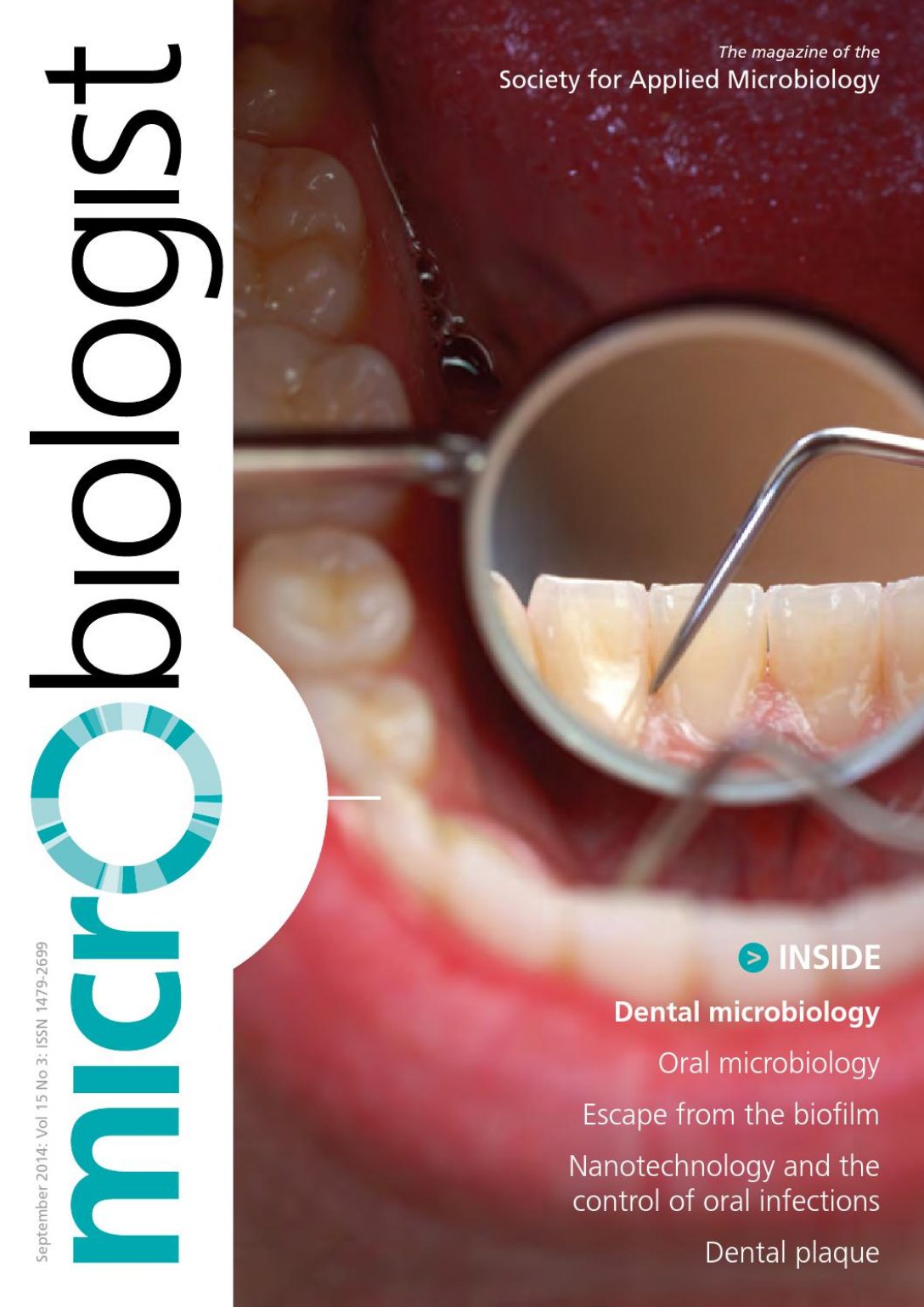
Considering the implications of microbiome in health and disease the Human Microme Project took on the task of sequencing the genome of the human microbiota. Most of the focus was particularly on the microbiota that normally inhabit the skin, mouth, nose, digestive tract, and vagina. There are ways to individually improve the microbiome, such as eating high fiber foods and vegetables, eating fermented foods containing live microbes, and even taking probiotic supplements. Another important way to maintain healthy microbiotic is caring for one’s oral health. Actually, the human mouth consists of diverse micro-organisms. These species can enter the oral cavity by our foods, putting our hands in our mouths, direct contact with select bacteria, viruses, fungi and protozoan. The oral microbiome can be maintained by our diets. Really acidic conditions in the mouth can lead to colonization of biofilm and plaque that can lead to cavities and periodontal diseases and even impact our systemic health. Therefore, promoting a balanced microbiome, particularly in the mouth and gut, is the key to maintain or reestablish health.

 Microbiology and You